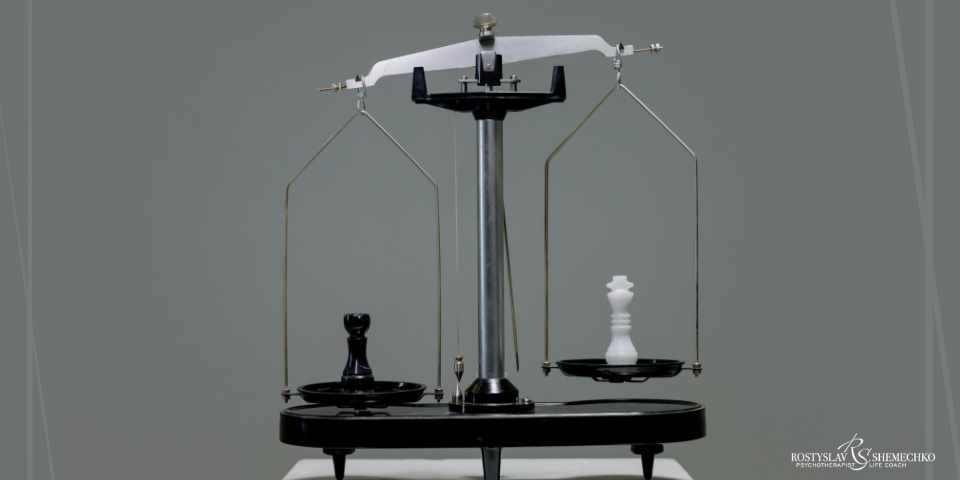
Stress usually points to something specific – a deadline, a difficult conversation, a bill. When the problem resolves, the stress eases. It has a beginning and an end.
Anxiety works differently. It can show up without an obvious cause, or it stays long after the situation has passed. It’s less about the thing in front of you and more about the sense that something, somewhere, isn’t safe.
Knowing which one you’re dealing with matters because they respond differently.
With stress, the work is often practical. What can be changed, delegated, delayed, or dropped? Rest and recovery help. Solving the problem helps.
With anxiety, problem-solving can backfire. You end up trying to solve a feeling, which usually means more worrying, more checking, more avoiding – and that tends to feed it. The work here is different: learning to tolerate uncertainty, staying present, and slowly showing your nervous system that discomfort isn’t danger.
The two also overlap. Long stretches of unmanaged stress can leave you more vulnerable to anxiety, and anxiety makes everyday stress harder to carry.
If your worry no longer seems tied to anything in particular, or it isn’t lifting when circumstances improve, that’s worth paying attention to. It’s not a character flaw, and it responds well to support.
If you need help or advice, call Rostyslav Shemechko at 647-866-9061 to schedule an appointment.